Table of Contents
ToggleHealth is more than not being sick, it is about creating a structure for your life that is energized, clear, and robust. In today’s busy world, many people are busy juggling work, family obligations, and personal priorities. Unfortunately, there is not always time to consider your health and wellbeing. However, when you make investments into preventive care, lifestyle changes, and professional expertise, it can impact every day of your life.
In this blog, we will be discussing the various areas of empowering health choices and how they can contribute to wellness over time.
The Strength of Preventive Care
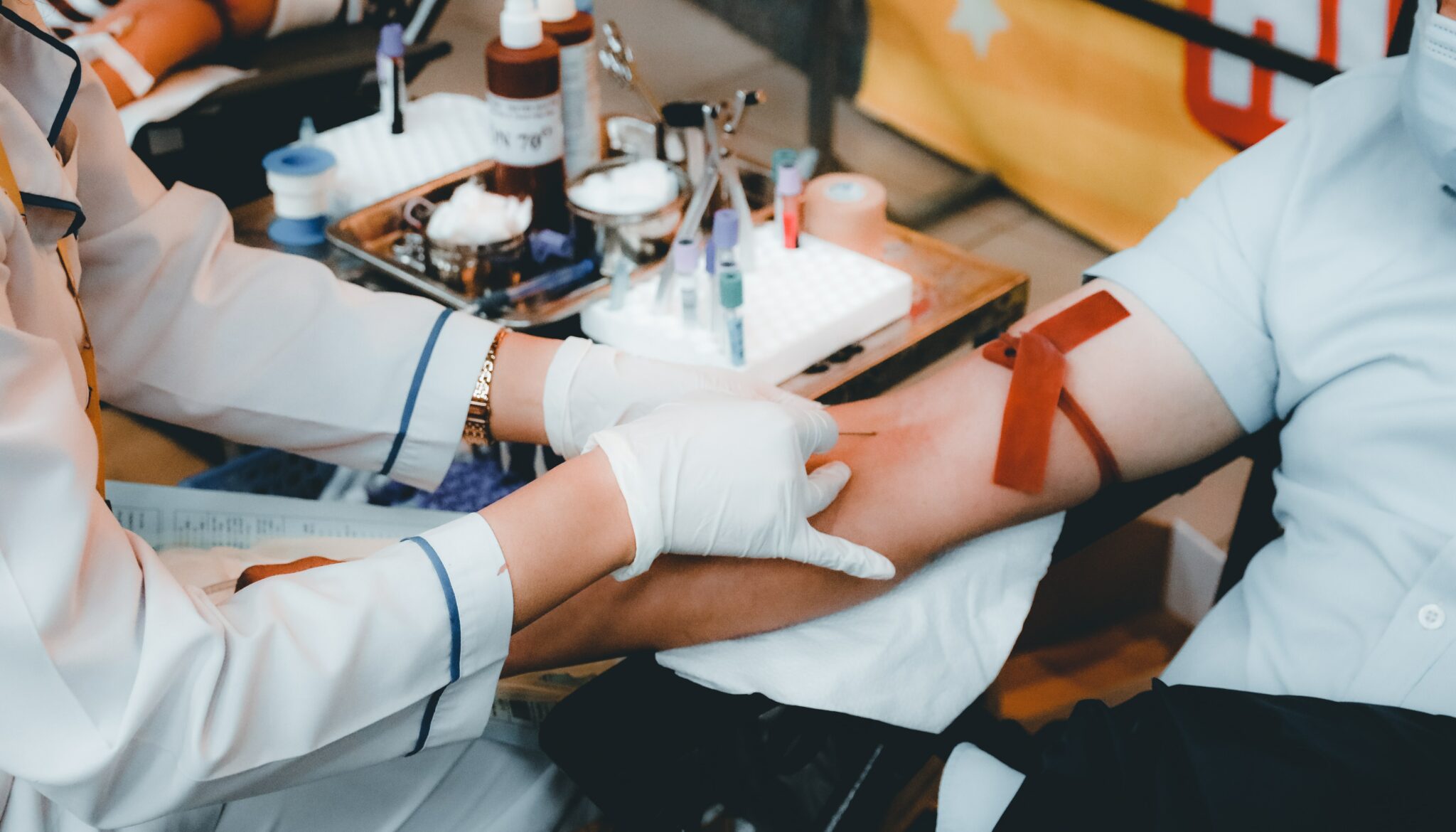
Preventive care is the building block of good health. Proactive measures before problems arise lead to better management of health concerns. Preventive care includes management of health with regular assessments, screenings, vaccinations, and lifestyle changes.
- Routine screenings: Help identify issues before they develop into other major health concerns.
- Vaccinations: Offer long-term immunity to infectious diseases.
- Lifestyle habits: Sleep, healthy meals, and exercise habits contribute to a more durable and resilient body.
By considering proactive measures, you can reduce your level of concern, knowing you will seek help and management before it escalates into an overwhelming concern.
Establishing Healthy Routines
The way we live daily has a big impact on health. Simple actions can build, over time, your sense of wellbeing and functionality.
- Move: Walking briskly for a few minutes, doing stretches, or doing some strength work can keep your body engaged and your mind alert.
- Eat balanced meals: Eating a diet rich in whole foods with plenty of fresh fruits and vegetables, with added fluid, plays a significant role in your energy levels.
- Rest, mindfully: Quality sleep promotes restoration for the mind and body and enhances productivity with emotional resilience.
Routines can feel boring and mundane, but they can be excellent for our long-term vitality. Sticking to a plan, even moderate and steady changes in your routine, will have a greater impact than intensity and is a more sustainable approach.
Mental Wellness and Emotional Resilience
Mental wellness is equally important to physical wellness. Being under stress, feeling anxious, or being emotionally drained can weigh heavily on a person, particularly in this high demanding life we live today.
Things to try for emotional resilience are:
- Mindfulness Practices: Practicing mindfulness through meditation, deep breathing, or journaling can help reduce stress.
- Connection With Others: Building social networks can provide support in hard times.
- Professional supports: Counsellors, psychologists and coaches can provide coping strategies to manage problems or move through barriers.
For those experiencing difficulties that involve more complicated behavioural or focus related issues, seeking mental health to chat with adhd specialists to receive skills and strategies tailored to your situation can help with focus, productivity and emotional control. The ability to self identify that mental support is needed is a strength, not a weakness. Developing resilience in this domain could vastly improve life satisfaction and productivity.
Access to Professional Support
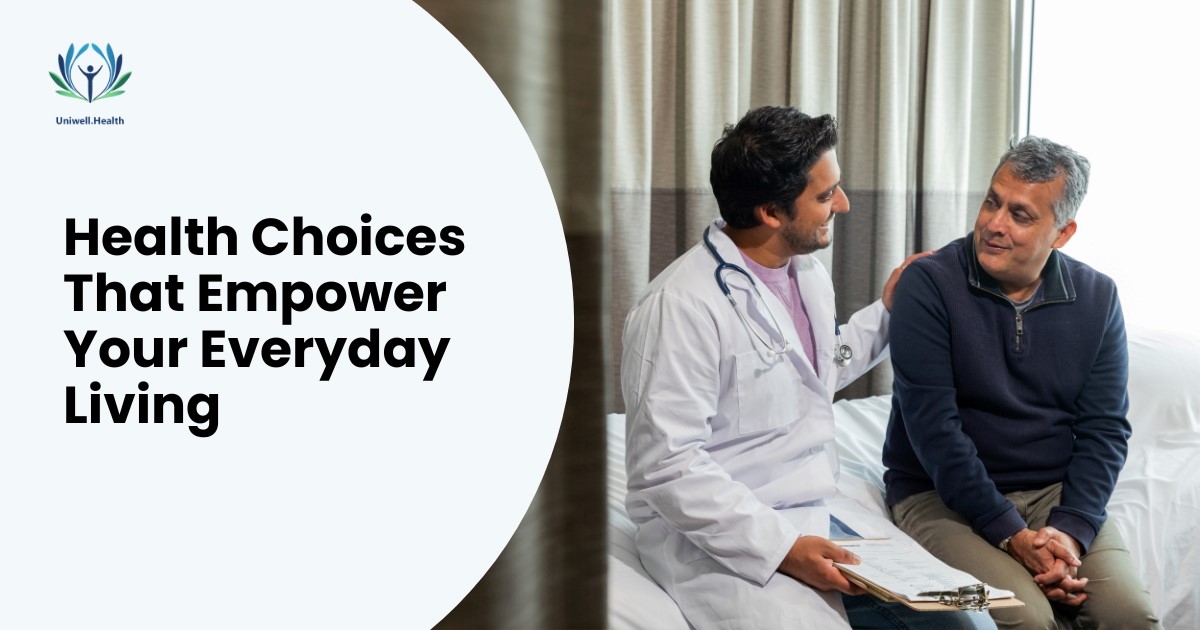
Healthcare professionals are integral in enabling informed action. They provide clarity, treatment, and the opportunity for personalized professional advice.
For example, specialists can advise and create personalized management plans when a patient is experiencing a complex diagnosis. Similarly, trusted health professionals can offer guidance and convenience when a focus on prevention will have positive effects for serious health events.
In a city, an individual might access a variety of professionals from nutritionists, psychologists, general practitioners, and wellness coaches, depending on their support network. Ultimately, finding the appropriate professional is focused on education, personalized plans, and empowerment, in addition to treatment, or addressing a pressing health concern.
Lifestyle Changes That Have Strong, Lasting Impacts
Little mindful changes can add up, whether it is switching to water instead of sugary beverages, taking the stairs instead of the elevator, or spending five minutes writing in a gratitude journal changes can add up over time.
Consider the following examples:
- Replace snacks of pre-packaged or processed food with lots of nuts, seeds, and fresh fruit.
- Replace sitting down on a phone call, get your work done while moving, even while standing.
- Limit screen time before bed, and the quality of your sleep will improve.
Any little step forward can create momentum, and the changes in health can lead towards sustainable and lasting effects.
Community and Social Fullness
Health is a societal endeavor as well as a personal endeavor. A sense of belonging and a support network contribute to people’s wellbeing.
- Support networks: Family, friends, and peer networks provide motivation and encouragement.
- Community programs: Community initiatives and clubs encourage participation and accountability.
- Giving back and volunteering: Contributing to society creates an emotional connection and purpose in life.
When people seek community, they discover not only better health outcomes but greater satisfaction in life.
Technology as a Partner in Health
The way we approach health has changed significantly in the modern world. Mobile applications, wearable health devices, and even remote consultations are much more accessible and inclusive than in the past.
- Wearables: Track sleep, implement movement, and monitor heart rate.
- Health apps: Notifications for medications, reminders to drink water, or mindfulness exercises.
- Telehealth: Provide options for virtual consultations without the need to travel.
These advances make it considerably less challenging for individuals to stay on track toward their goals and connect with professionals.
Empowerment in Health Choices
Arguably, empowerment or the confidence to make informed choices is the most fundamental aspect of health. It requires access to information, the courage to ask questions and seek assistance when needed.
Examples of empowered choices are having regular wellness checks, learning about lifestyle coaching, or using health services for health needs relevant to your situation. When making empowered choices, individuals are most likely to have better outcomes in life and have a greater sense of control over their health choices.
Personalised Needs
Every person’s health journey is different. Personalisation ensures that the choice taken is relevant and achievable. For example, some people may focus on physical health while others may focus on emotional resilience or social connection.
This is where professionals can help. Whether it is to speak to your specialists for some behavioural strategies or use a confidential sti test sydney clinic, accessing help at the right time with the right people ensures the health care plan is relevant and personal. Health care decisions are not a one size fits all approach; they support the individual’s priorities, lifestyle and life situations.
In Conclusion
Health is a developmental process. By being proactive, establishing routines, utilizing professional help, and making small but positive lifestyle changes, one can establish equilibrium and resilience. You can also leverage community support and technology to support holistic wellbeing.
The underlying theme is empowerment by making informed and deliberate choices about one’s physical and mental health. When health evolves from an afterthought to a daily commitment, life becomes more clear, energetic and purposeful.