
Essential Materials That Help Improve Construction Quality and Efficiency
Table of Contents
ToggleConstruction projects depend on more than skilled workers and good planning. The materials used in a project also have a major effect on its strength, durability, safety, and overall efficiency. Choosing suitable materials can help builders create structures that perform well while reducing waste, delays, and maintenance needs. From basic aggregates to modern insulation products, each material serves an important purpose in construction.
Construction Aggregates: Enhancing Strength and Stability
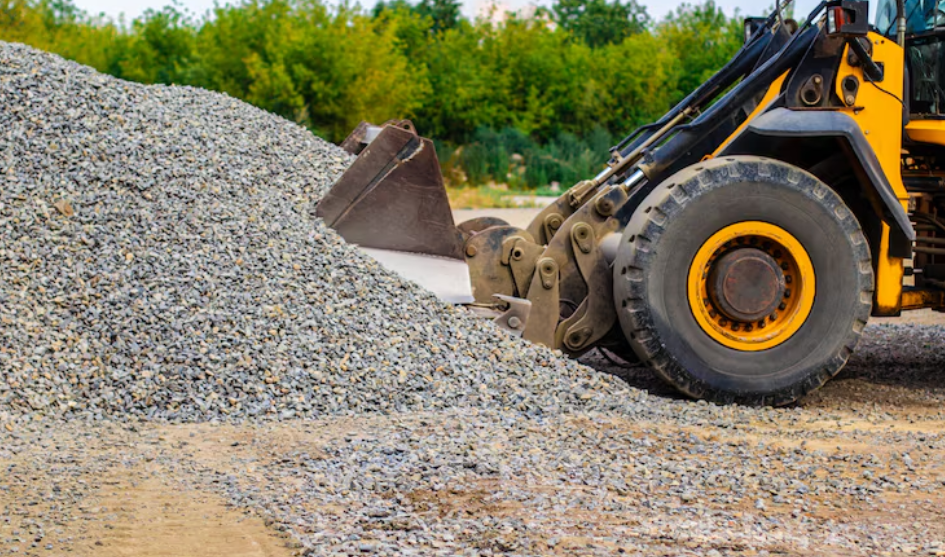
A reliable construction aggregate is an important part of many building projects. Materials such as sand, gravel, and crushed stone are commonly used in concrete, asphalt, road bases, and foundations. They provide bulk and stability while helping create strong and durable structures. The right aggregate size and quality can improve concrete performance and make construction work more efficient. Properly selected aggregates can also help reduce material waste and support consistent results.
Expanded Polystyrene Foam: Supporting Lightweight Construction
Expanded polystyrene foam is a lightweight material used in several construction applications. It is commonly valued for its insulation properties and ability to provide thermal protection. Because it is lightweight, it can also reduce the load placed on certain structural elements. Expanded polystyrene foam can be used in wall systems, roofs, foundations, and other areas where insulation and weight reduction are important. Its easy handling can also make installation faster.
Concrete: Creating Durable Structural Elements
Concrete remains one of the most widely used construction materials because of its strength and versatility. It can be used for foundations, floors, walls, columns, driveways, and other structural components. When concrete is properly mixed, placed, and cured, it can provide long-lasting performance. Using suitable cement, aggregates, water, and additives can help achieve the required strength and durability for different construction needs.
Steel: Providing Structural Strength
Steel is another essential material for modern construction. It is frequently used for beams, columns, reinforcement bars, frames, and other structural components. Its high strength allows it to support significant loads while maintaining structural stability. Steel can also be fabricated into different shapes and sizes, making it suitable for both residential and commercial projects. Proper protection against corrosion can further extend its service life.
Insulation Materials: Improving Energy Efficiency
Good insulation can make buildings more comfortable and energy efficient. Materials such as fiberglass, mineral wool, rigid foam, and spray foam can help reduce heat transfer through walls, ceilings, and roofs. Effective insulation can lower heating and cooling demands while helping maintain more consistent indoor temperatures. Choosing insulation based on the building’s design and climate can improve long-term energy performance.
Bricks and Blocks: Building Reliable Walls
Bricks and concrete blocks continue to be useful for constructing walls and partitions. They offer durability and can provide useful levels of fire resistance and sound reduction. Their consistent shapes also make installation more organized when proper construction methods are followed. Selecting suitable bricks or blocks for the project’s structural and environmental requirements can contribute to a stronger finished building.
Waterproofing Materials: Protecting the Structure
Water can cause serious damage when it enters walls, foundations, roofs, or other vulnerable areas. Waterproofing materials such as membranes, coatings, sealants, and specialized compounds help prevent moisture from reaching sensitive parts of a building. Proper waterproofing can reduce the risk of leaks, dampness, mold, and material deterioration. Applying these products correctly during construction can help prevent expensive repairs later.
Conclusion
The quality and efficiency of a construction project depend greatly on selecting and using the right materials. Construction aggregates provide stability, while expanded polystyrene foam can improve insulation and reduce weight. Concrete, steel, insulation, bricks, blocks, and waterproofing products each contribute to different aspects of building performance. By choosing materials according to the project’s specific requirements and using them correctly, builders can create structures that are stronger, safer, more efficient, and better prepared for long-term use.